
When History Disappeared
he idea for PortalView began with an experience at our sister company, a commercial landscape maintenance firm caring for the common areas of large-scale HOAs in the Phoenix area. They provide GIS-based asset maps and an online portal documenting each community’s maintenance history and have for many years.
After maintaining one large, complex community for nearly 20 years, it was replaced by another firm. Within just two years, the community returned, asking for help locating irrigation components and mapping its assets. Turnover, misplaced files, and scattered records had erased decades of information.
They were surprised—but also inspired. That loss sparked the creation of PortalView.
Giving Power Back to the Community
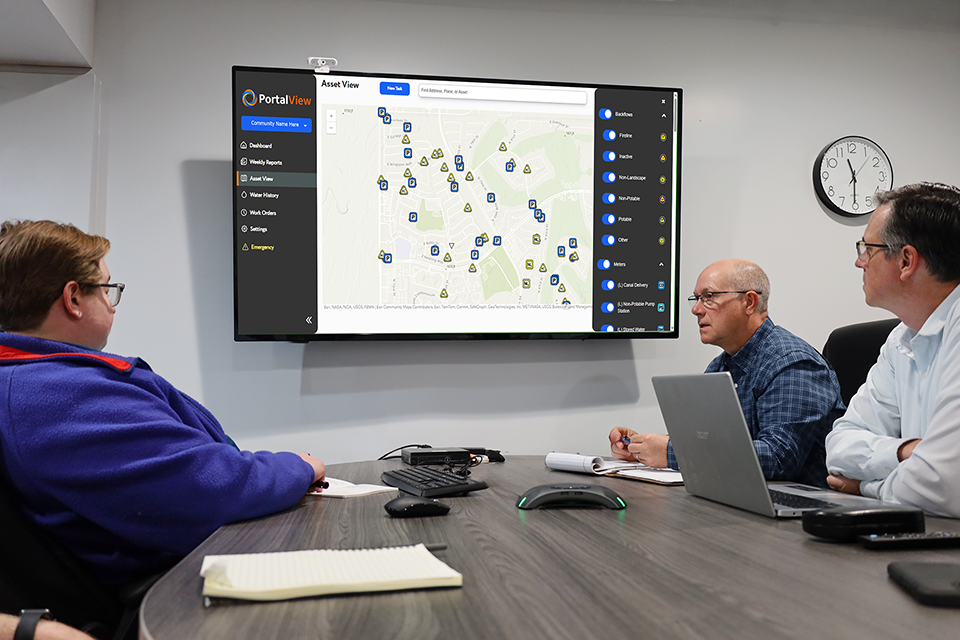
So, we created the idea of PortalView - to allow Asset Managers to keep their own records, regardless of landscape provider. We added GIS-based tracking, a single water management dashboard, and a powerful AI tool to help capture and analyze water usage information.
We’ve seen what can happen when important information disappears, and we knew there had to be a better way. PortalView was created to give HOAs, asset managers, and municipalities lasting visibility into their property’s history, assets, and water use, so they never lose sight of what’s been done and what’s next.
Built from Real Experience
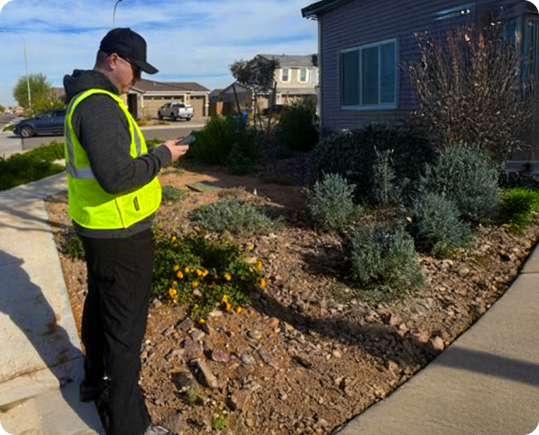
PortalView wasn’t built in a lab; it was built in the field. Our team has spent decades managing assets, irrigation systems, and infrastructure data firsthand. We understand the frustrations of piecing together old records, searching for maps, or trying to explain “what happened” years ago.
That’s why PortalView focuses on clarity, continuity, and control. We bring technology and practical field knowledge together to help managers make better decisions, save water, and protect their investments.
Looking Ahead
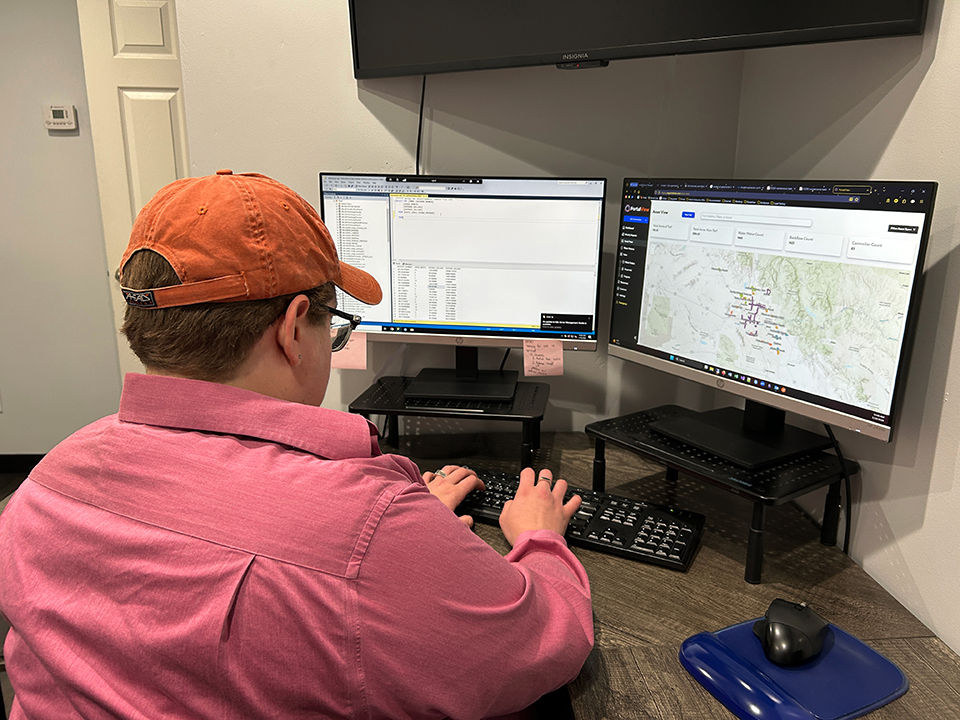
Today, PortalView is more than software—it’s a partnership in smarter asset management. We’re continuing to grow our platform, adding tools that make it easier for managers to track assets, understand water use, identify infrastructure improvements and preserve their history for generations to come.