
How Asset Management Improves Vendor Coordination for Landscapers, Property Managers and Facilities Teams
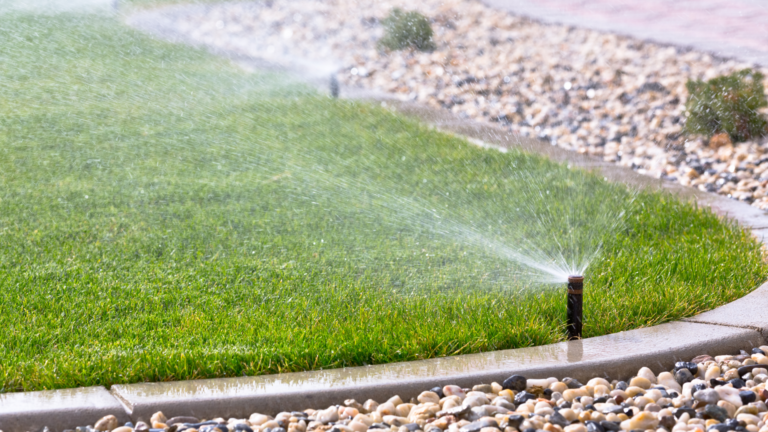
Asset management plays a critical role in helping property managers keep community maintenance running smoothly, especially when coordinating with landscape vendors and facilities teams. The landscape vendor team can handle everything from irrigation repairs to above-contract-height tree pruning, yet their work can’t be effective without clear, accurate information. That’s where modernized asset management comes in.
Modernized asset management gives property managers a way to organize and share essential details about critical assets in one place. When vendors can easily upload the data they need, coordination becomes simpler, communication becomes clearer and work gets done with fewer delays.
Here’s how asset management makes a meaningful difference for landscapers, facilities teams and the property managers who rely on them. And often for the board of directors, too.
- How Asset Management Helps Everyone Work From the Same Information
One of the biggest challenges in vendor coordination is inconsistent or outdated information. A vendor might provide an old map, incomplete notes or a vague description of an issue. That leads to extra site visits, repeated conversations and slower repairs.
With digital asset management:
- The landscape vendor can map irrigation controllers, valves and pipes, and catalogue repairs done over time.
- Tree species, health assessments and past work orders are easy to access.
- Photos show exactly what condition an asset was in during the last visit.
- Service history is visible at a glance.
When landscapers and facilities teams log in and instantly see the latest details, they can plan their work more efficiently and arrive prepared.
How PortalView achieves this: Through collaboration with your vendor, PortalView helps eliminate guesswork so repairs and inspections happen faster and with fewer surprises.
- Clearer Communication Reduces Misunderstandings
Property managers communicate with vendors constantly, often across email threads and phone calls. Without organized asset data, it’s easy for wires to get crossed.
Asset management tools provide:
- One source of truth
- Shared notes that everyone can see
- Timestamped updates
- Visual references to specific assets
This transparency means fewer repeated conversations, fewer “Where is this located again?” messages and fewer misinterpretations of maintenance requests.
For example, instead of saying “the tree near the entrance needs a follow-up,” you can reference a clearly labeled asset record with species, condition notes and exact location.
- Faster Diagnostics and Service Turnaround
When an irrigation zone is leaking, every minute counts, especially in hot climates. Vendor teams can respond faster when they have:
- The exact location of the affected area
- The valve and controller locations
- Details on recent repairs or adjustments, with photos
- Notes from the last service visit
This information helps technicians diagnose the issue quickly and bring the right tools and parts on their first visit. That means a smoother experience for the property manager and less downtime for the landscape (which benefits from regular irrigation access!).
- Better Planning for Seasonal and Preventive Work
Landscape vendors need to complete or coordinate several recurring tasks, such as:
- Seasonal irrigation adjustments
- Irrigation system audits
- Above contract height tree trimming cycles
Without organized asset data, these schedules can feel reactive instead of proactive.
Asset management software allows vendors to:
- See which assets are due for upcoming maintenance.
- Track past inspections (including inspections that are past due).
- Review age and condition to prioritize work.
- Prepare crews more efficiently.
This long-term visibility prevents rushed decisions and strengthens vendor relationships, because expectations are clear and predictable on both sides.
- Efficient Recordkeeping for Compliance and Accountability
Landscaping work often involves multiple steps, approvals and follow-ups. Asset management tools help property managers:
- Confirm what work was completed.
- Understand why certain recommendations were made.
- Track photos before and after service.
- Review vendor notes tied directly to each asset.
- Report the details to the board or a landscape committee for approval.
Over time, this creates a complete story of irrigation system health and tree maintenance. It also gives vendors a reliable place to document their work, supporting transparency and helping avoid disputes.
- Reduced Repeat Issues and Smarter Long-Term Decisions
If the same irrigation zone needs a host of repairs every few months, or trees continue to decline in the same area, landscape vendors need historical context to make quality recommendations. Digital asset management gives them that clarity.
With full access to service history, vendors can answer important questions:
- Has this asset been repaired multiple times?
- Was a replacement recommended earlier?
- Are there patterns based on location or age?
- Is the issue seasonal or systemic?
This leads to smarter decisions, better budgeting and stronger alignment between property managers and vendor partners. And, property managers have a clear record to show their board, bolstering the argument for upgrades or renovation work.
- Stronger Relationships Through Transparency
At its core, better vendor coordination is about trust. Landscapers and property management teams do their best work when they have the information they need and when property managers feel confident in the recommendations they’re receiving.
Asset management creates that foundation by giving both sides:
- Clear visibility
- Shared access
- Fewer misunderstandings
- A smoother workflow
Vendors are empowered to work efficiently, and property managers get consistent, well-documented results.
Final Thoughts
Strong vendor relationships are among the most important factors in successful property management, especially when managing vital property assets. An asset management tool like PortalView helps streamline communication, improve accuracy and support long-term planning by giving everyone the information they need when they need it.
Whether you’re coordinating repairs, seasonal maintenance or a long-term renovation project, a platform like PortalView brings structure and clarity to every step. With organized asset data, shared access and regular photo documentation, both property managers and vendors benefit from smoother, more productive collaboration.